Expert Pressure Washing Services in Cincinnati
Power Washing in Butler County, OH that make your home or business shine, inside and out.
Fully Insured
10+ Years of Experience

GET A FREE QUOTE
GET A FREE QUOTE
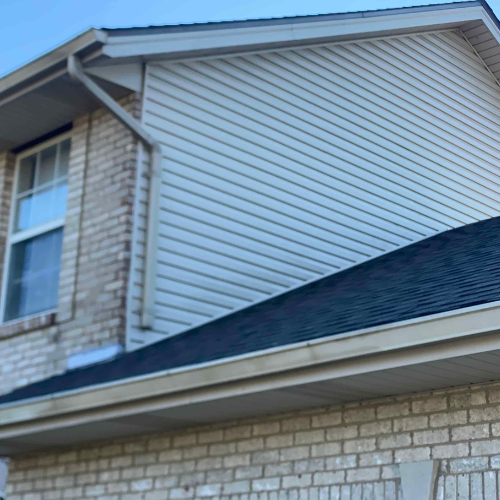
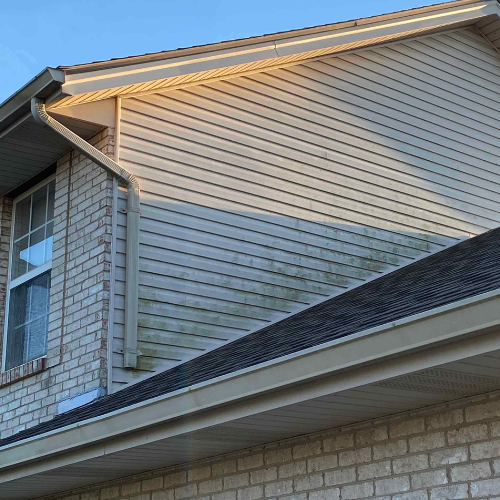
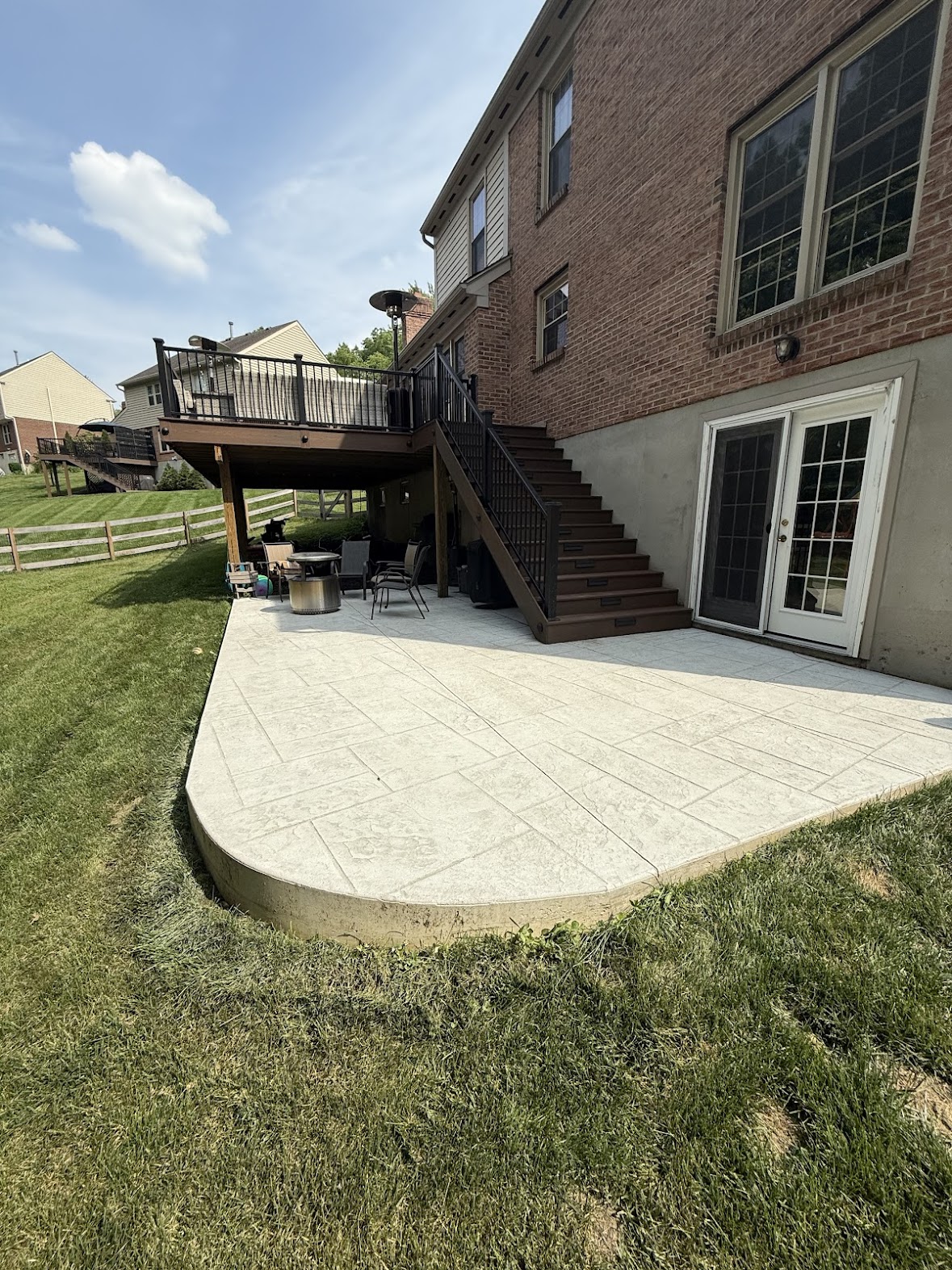
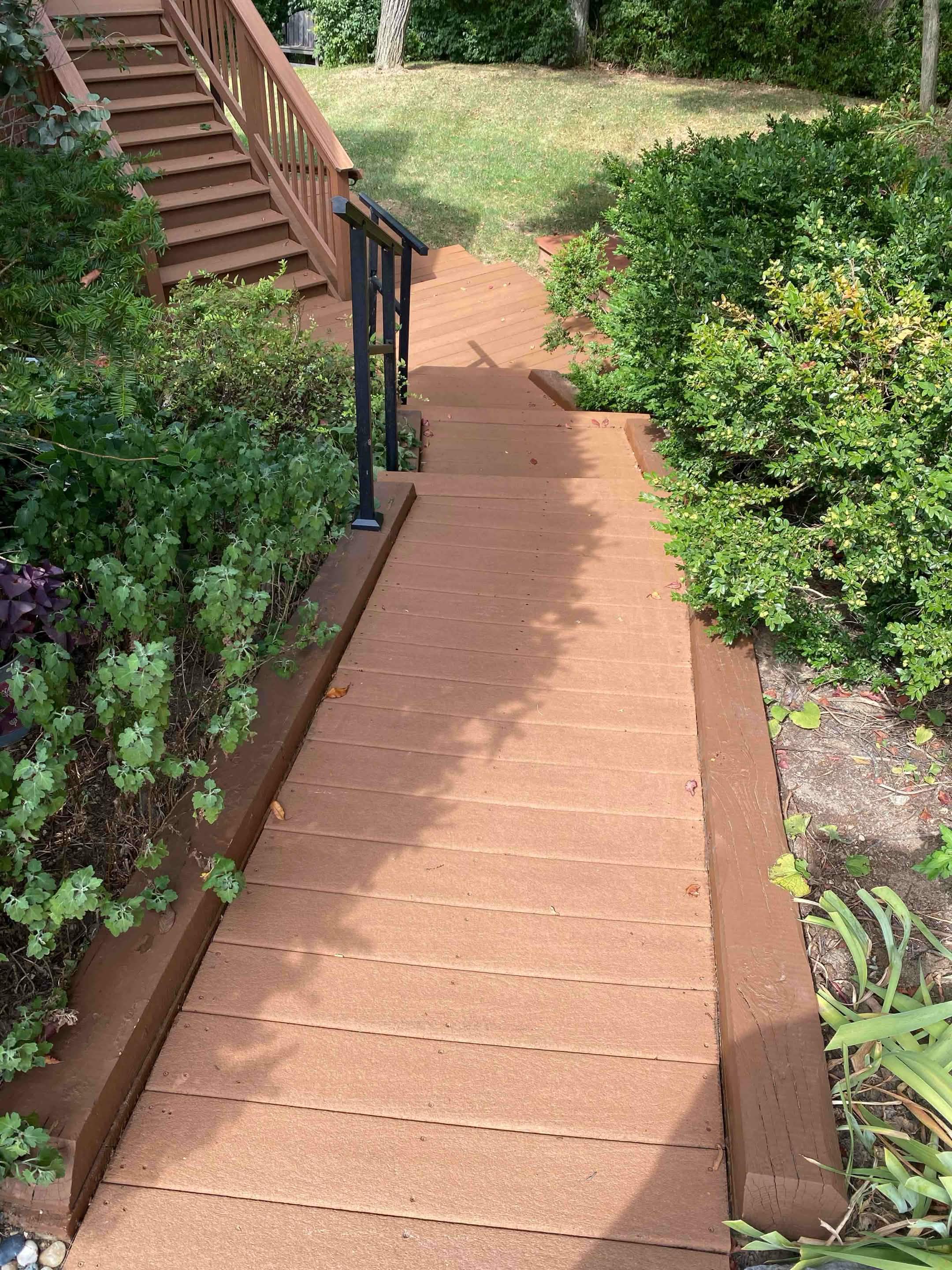
Our Before and After Results
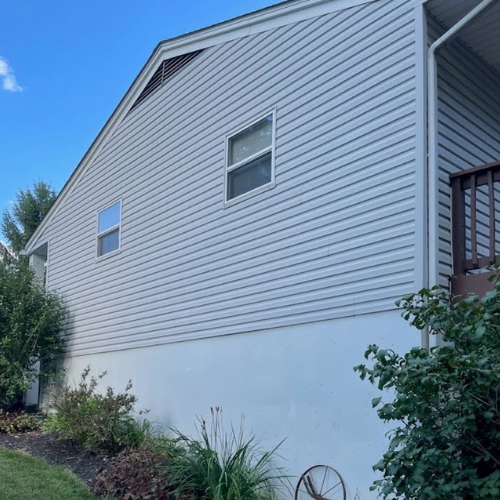
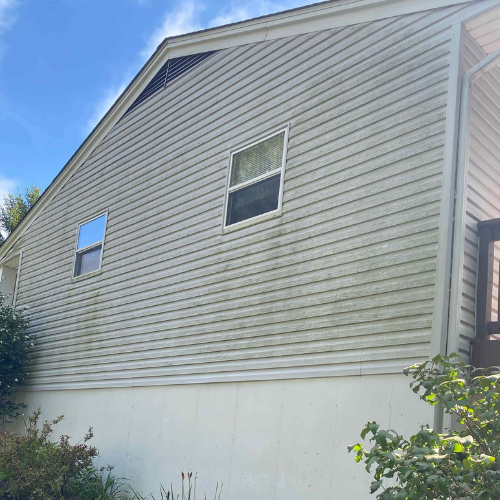
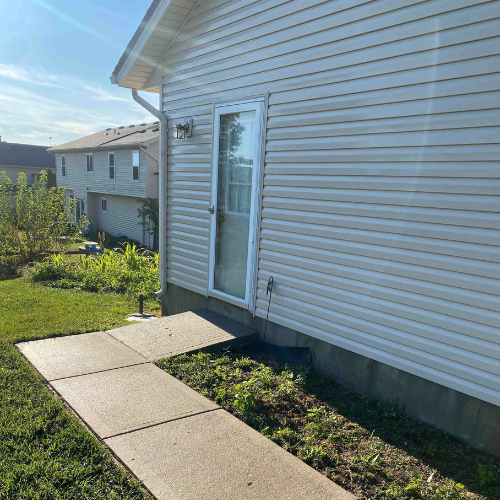
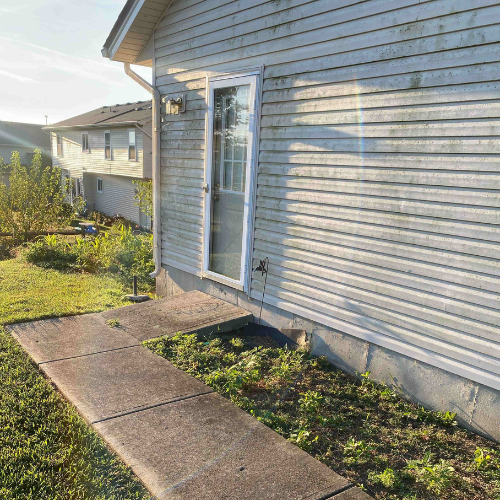
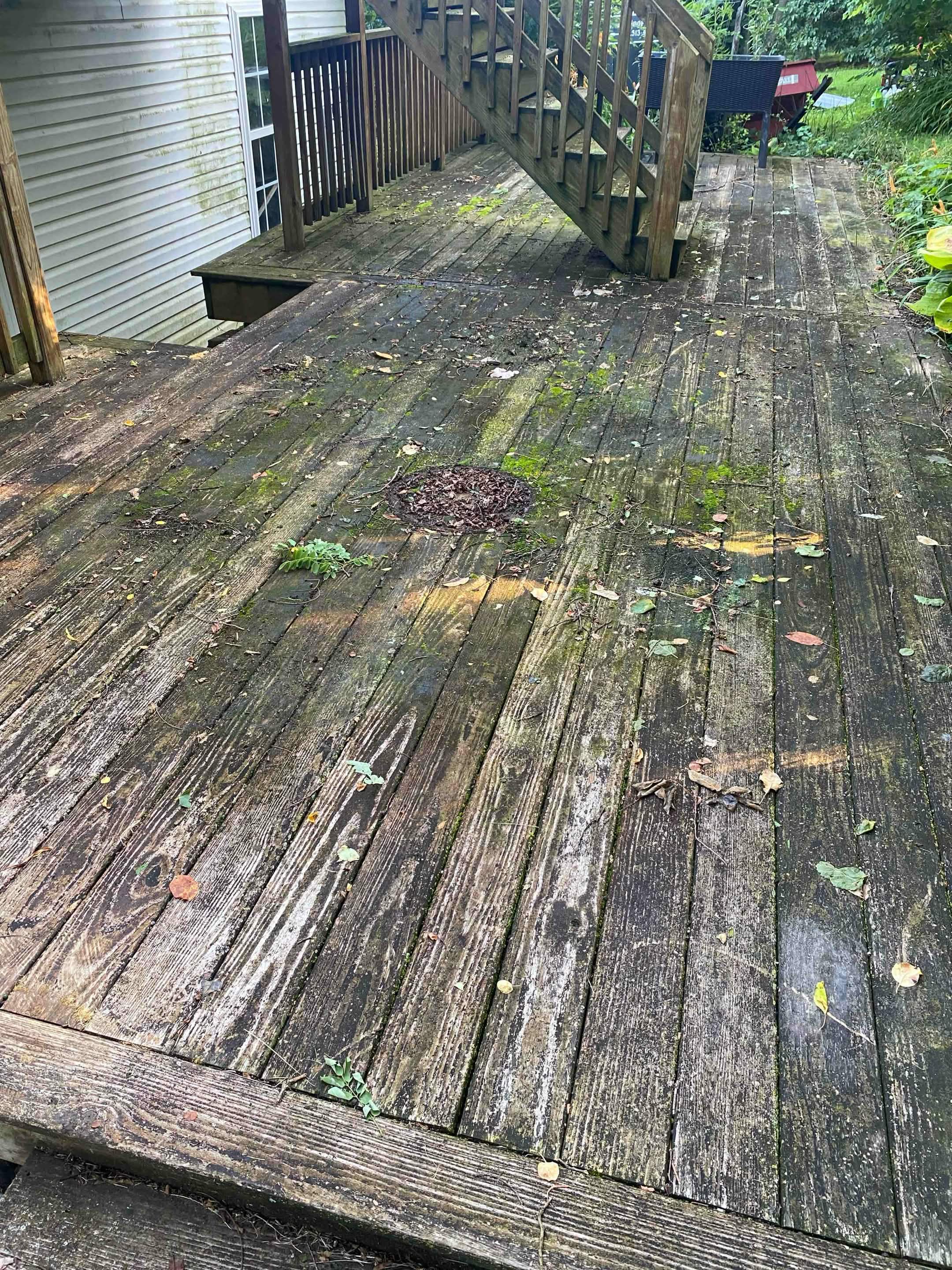
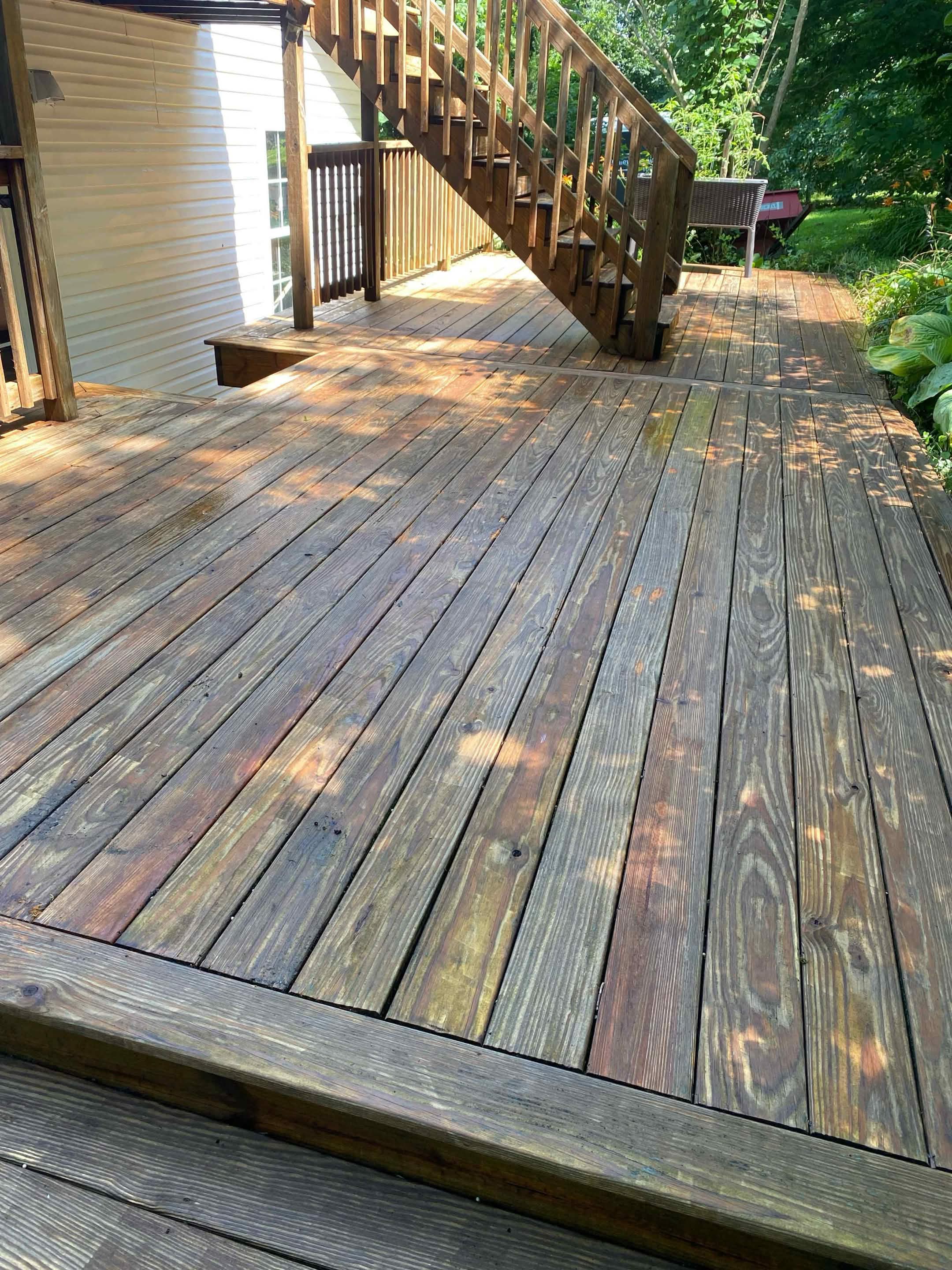
About Us: Cincy Power Washers
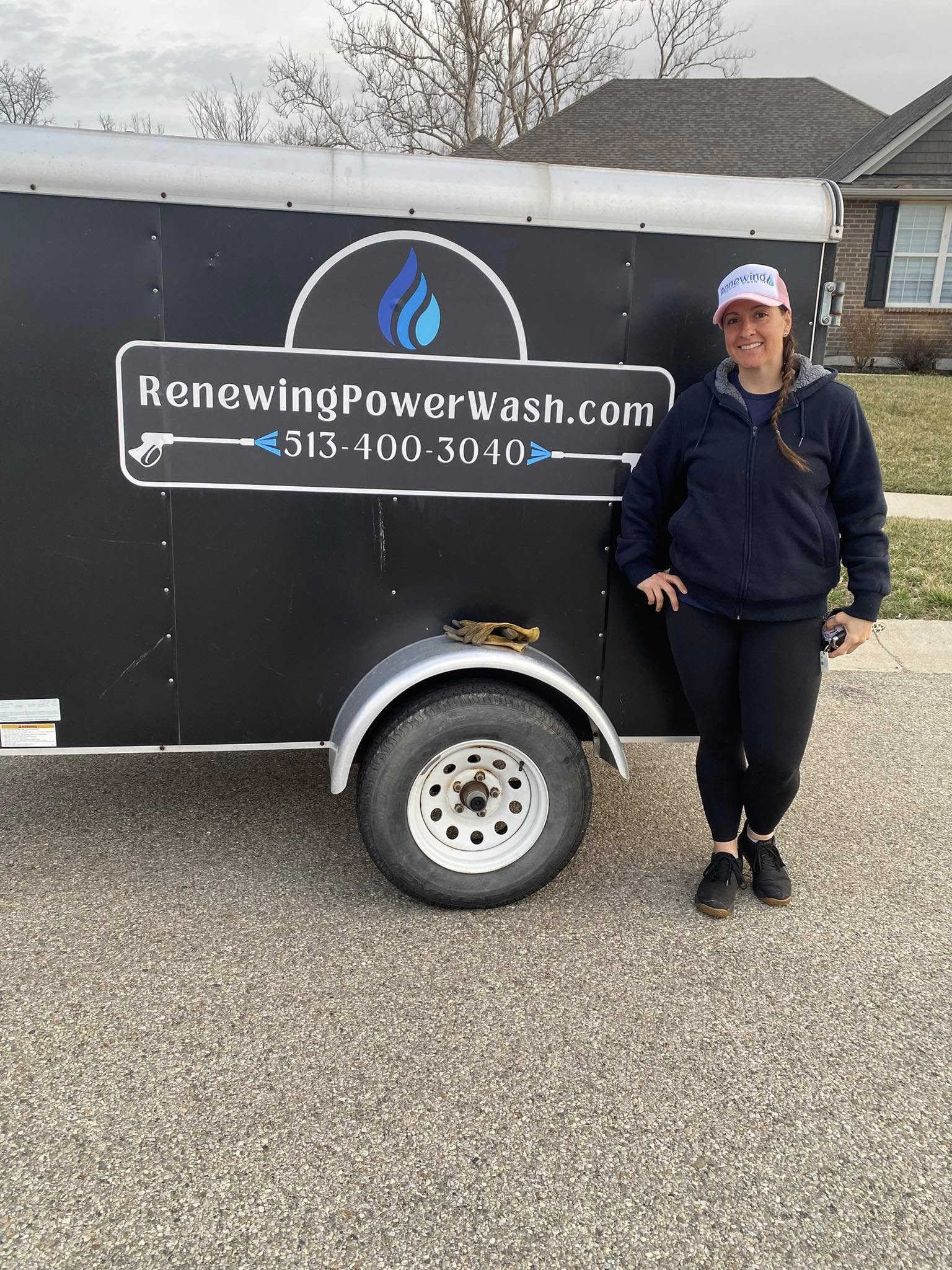
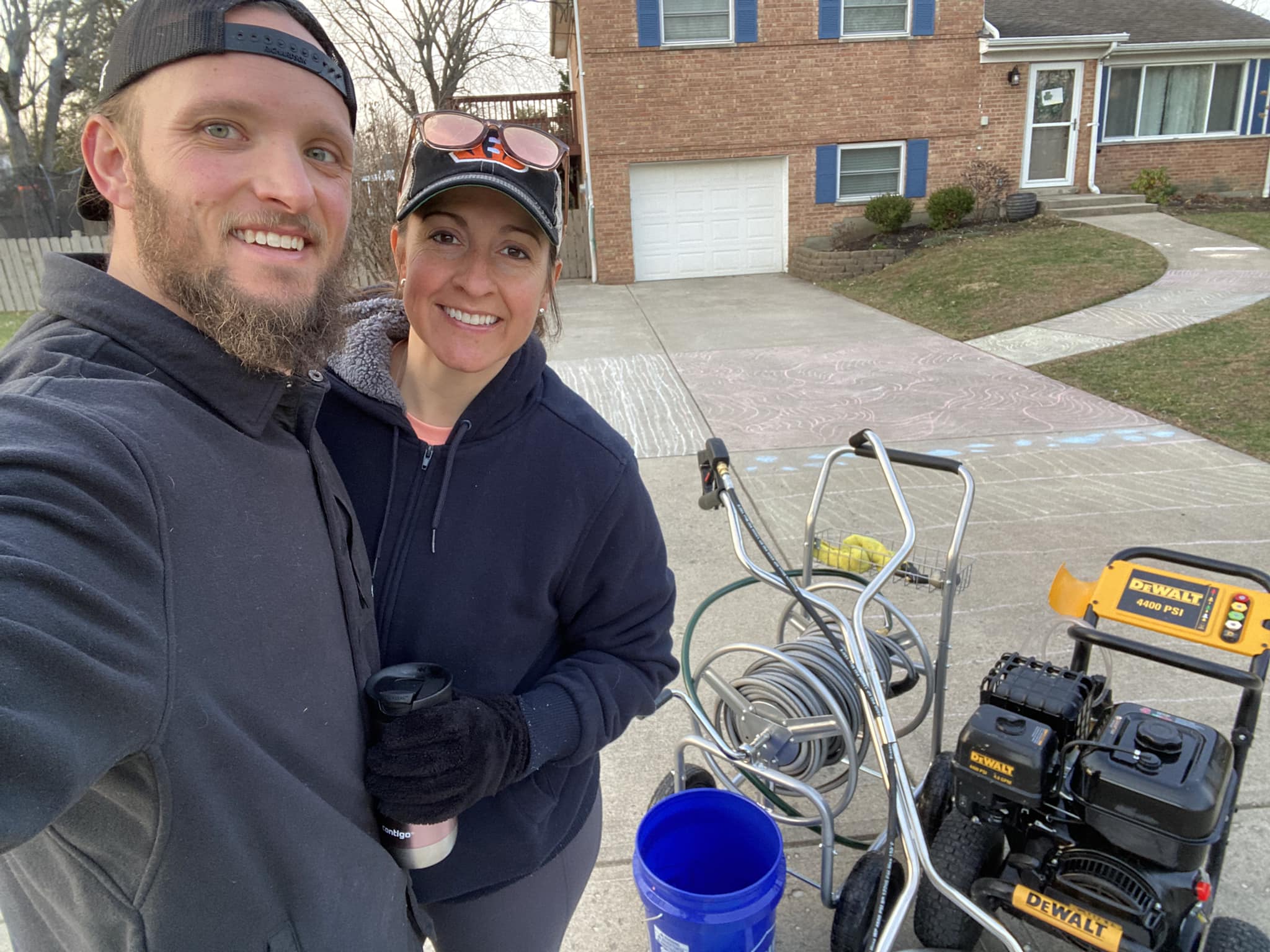
We are Renewing Power Wash, a Faith Based, family-owned business started by my wife Katie and me right here in West Chester.
Working with us means clear communication, dependable service, and attention to the details that matter. We show up when we say we will, treat your property with care, and make sure the job is done right. Whether we are cleaning siding, concrete, patios, or other outdoor spaces, our goal is to make the process simple and leave you with results you feel good about.
We are proud to serve West Chester and the surrounding Cincinnati suburbs, and we are grateful for every opportunity to help our local community.



Serving Cincinnati and Surrounding Areas
Our Expert Power Washing Services
Power Washing
Professional power washing service that keeps your home looking fresh, clean, and well maintained all year round.
House Washing
Thorough pressure washing to remove buildup, protect your property from surface damage, and keep exterior areas looking clean.
Driveway Cleaning
Thorough driveway cleaning to remove buildup, protect your property from surface damage, and keep your driveway looking clean.
Patio Cleaning
Professional patio cleaning to remove algae, moss, and debris, extend surface life, and restore your home’s outdoor appearance.
Deck Washing
High-powered deck cleaning to remove dirt, moss, and grime, restoring wood surfaces and outdoor spaces to their best.
Our Process — 3 Simple Steps
01.
Request Free Estimate
Simply call, text, or fill out our quick online form to request your free, no-obligation estimate!
02.
Schedule Your Work
You will receive a clear breakdown including the date, time, and what the job involves so you know exactly what to expect.
03.
Sit Back and Relax
Our crew of technicians will show up on the scheduled date and time to complete the better then ever!
See Why Our Customers Love Us
Our Reviews
Review Us on Google

Frequently Asked Questions
We’re here to make You Find answers to some of our most common questions.
What areas do you serve in Hamilton County, OH?
We proudly serve Cincinnati and the surrounding communities, including Madeira, Anderson, Terrace Park, Indian Hill, Loveland, Milford and more. If you're unsure whether we cover your area, just reach out we’re happy to check!
How much does power washing cost cost?
Pricing depends on the size of your home or building, the services you need, and the level of buildup. We offer free quotes and transparent pricing no surprises. Just request a quote, and we’ll get you an accurate estimate fast.
What services do you provide?
We provide complete exterior cleaning services, including interior and exterior window cleaning, gutter cleaning, and power washing.
Can you clean high or hard-to-reach areas?
Absolutely. We’re equipped with professional tools to safely and thoroughly clean second-story windows, steep roofs, and tough-to-reach spots on your home’s exterior.
Is my home protected during your service?
Yes. We take great care to protect your landscaping, siding, and property. Our trained team uses safe, proven methods and always treats your home like it’s our own.
Still have questions?
We are based in Cincinnati and provide professional exterior cleaning services across the local area. Our work regularly takes us throughout East Cincinnati and the surrounding neighborhoods, including nearby suburbs and residential communities.
Mason
Covington
Milford
Blue Ash
Harrison
Warren County
Loveland
Springboro
Hamilton County
FairField
Oxford
Butler County
West Chester
Lebanon
Clermont County
CONTACT
Navigation
Services
Service Areas
Operating Hours
© 2026 Renewing Power Wash | All Right Reserved