

Most homeowners think dirt is just a cosmetic problem. A little dust on the siding, a few dark spots on the driveway, or some green patches near the shaded areas — nothing serious, right?
But after spending years around exterior cleaning jobs, I’ve learned one thing very clearly:
Dirt is never “just dirt.”
It’s moisture, mold, bacteria, pollution, insects, algae… all sitting quietly on the surface, slowly damaging the structure of your home without you noticing.
I’ve seen homes lose thousands of dollars in value, paint peel years earlier than expected, and driveways become dangerously slippery — all because the dirt that “didn’t look like a big deal” was actually causing hidden damage underneath.
In this blog, I’ll break down what dirt actually does to your home, the early signs of damage, and how a proper power wash stops the problem before it becomes expensive.
How Dirt Slowly Damages Your Home (Even When You Can’t See It)
Dirt acts like a sponge. It holds onto moisture, air pollution, pollen, mold spores, and bacteria. When this layer stays on your siding, driveway, deck, or concrete, it begins a slow breakdown process.
You don’t see it happening day by day…
But months later, the effects show up.
Moisture Trapping
Dirt traps water after rain, making surfaces stay wet longer. That extra moisture leads to wood rot, soft siding, paint bubbling, and cracks.
Mold and Algae Growth
Once moisture stays longer than it should, algae and mildew form — especially the green and black patches people often ignore. These organisms eat into paint, siding coatings, and even concrete pores.
Surface Weakening
Driveways start becoming slippery, back patios feel uneven, and walls lose their shine. Many homeowners think this is “aging,” but it’s actually dirt actively weakening the material.
The scary part?
By the time you can see the damage, it’s already been happening for months.
Early Warning Signs Most Homeowners Miss
Your home usually sends small signals before the real damage begins. But because these signs look normal, most people don’t realize what they mean.
Here are the most common ones:
- Light Green or Black Patches on Walls
- These are early stages of algae and mildew — the first sign moisture is trapped in dirt layers.
- Slippery Driveway or Walkway
- If your steps or driveway feel slippery, that’s algae built on dirt buildup. It’s dangerous and a clear warning your surface is decaying.
- Faded or Patchy Paint Areas
- Paint doesn’t fade evenly. Moisture under dirt causes localized peeling, bubbling, or dulling.
- Musty Smell Around Certain Exterior Areas
- This indicates mold growth behind dirt layers — especially around siding or shaded walls.
- Dark Streaks Under Windows
- These streaks form when dirt + moisture react to humidity. They signal long-term buildup.
Most of these problems aren’t cosmetic. They’re structural warnings.
How Power Washing Prevents Long-Term Damage
A proper power wash isn’t about making your home look “cleaner.”
It’s about reversing and preventing hidden damage before it becomes costly.
Here’s how power washing protects your home:
Removes Moisture-Holding Dirt Layers
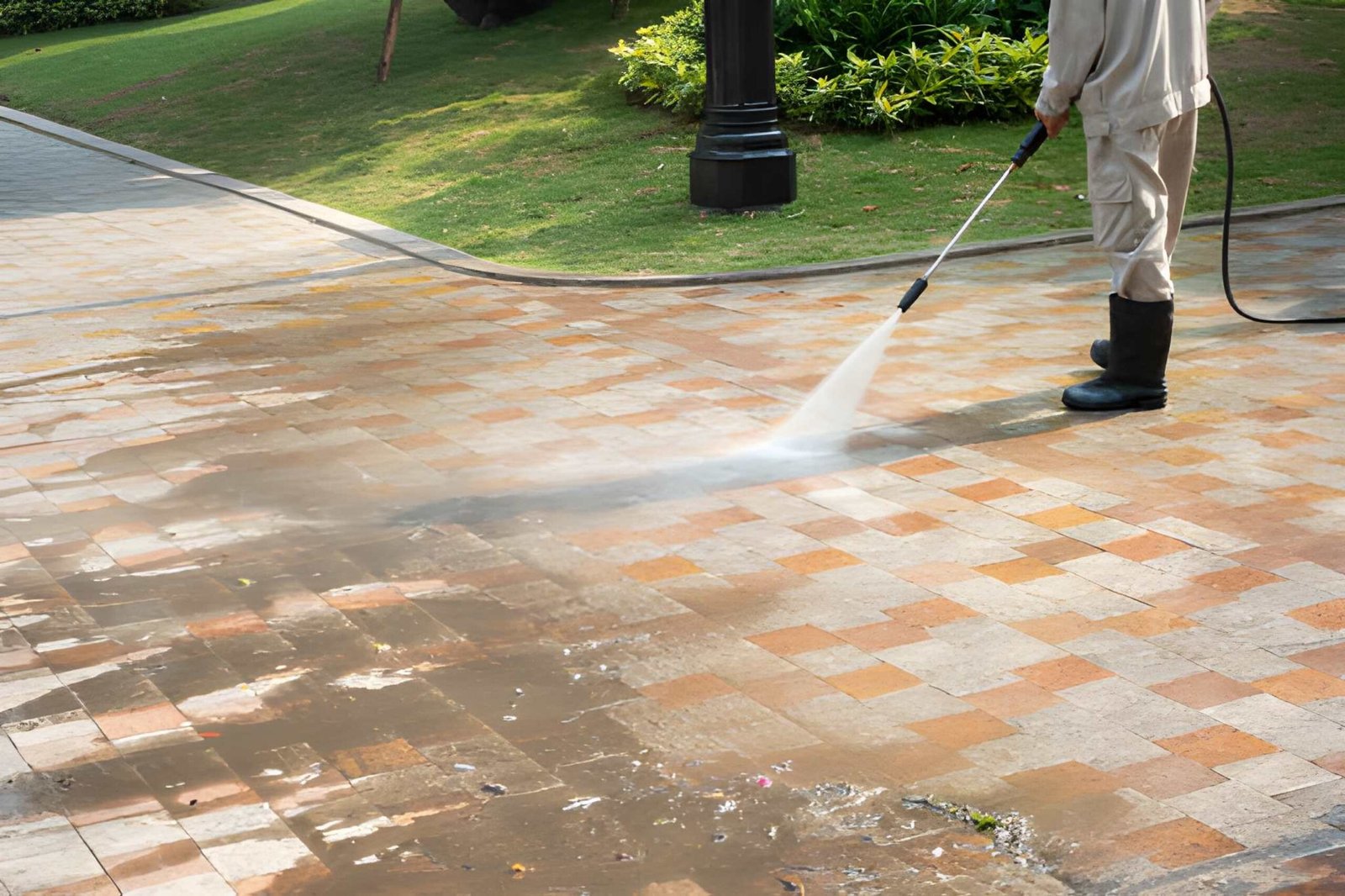
Pressure washing completely strips away the dirt film that traps water and causes rot.
Kills Mold, Mildew & Algae at the Root
Professional cleaners use eco-friendly detergents that remove growth from deep within the surface, not just the top.
Restores Surface Strength
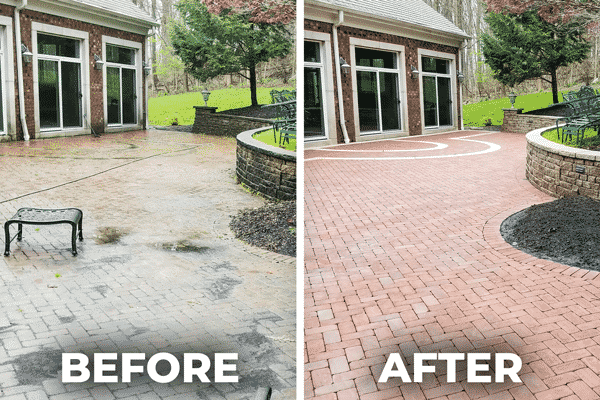
Once dirt is cleared, siding, concrete, decks, and walls regain their durability. Many surfaces look newer simply because they can breathe again.
Improves Paint Lifespan
Paint sticks properly to clean surfaces. Power washing before repainting is one of the reasons pro painters get longer-lasting results.
Increases Curb Appeal Instantly
A clean exterior always looks newer, brighter, and more cared for — which boosts property value and first impressions.
A single power wash can undo months (or years) of hidden buildup.
Why DIY Usually Doesn’t Work (And Sometimes Causes More Damage)
Many homeowners think renting a machine for a day is enough. But I’ve seen more DIY damage than DIY success. Pressure levels are different for each surface:
- Too much pressure on siding → dents or water behind the wall
- Wrong nozzle on concrete → permanent etching marks
- Harsh chemicals → faded spots or paint damage
Professionals customize:
- Pressure
- Temperature
- Technique
- Biodegradable cleaners
This is why a pro wash lasts longer and is far safer for your home.
How Often Should a Home Be Power Washed?
After working with different home types and climates, a realistic cleaning routine looks like this:
- Twice a year: Spring + Fall
- More often if the area is humid, rainy, or shaded
- Before repainting, repairs, or selling the home
Regular power washing is cheaper than repairing rot, repainting early, or resurfacing a driveway.
Final Thoughts — Dirt Isn’t Harmless, and Prevention Is Easy
Most homeowners wait until they can “see” damage, but by that time, the hidden rot, moisture, or algae has already started costing money.
The good news?
Power washing is one of the simplest, fastest, and most affordable ways to protect your home.
It removes the hidden threats sitting in the dirt, restores your surfaces, boosts curb appeal, and prevents long-term damage you never saw coming.
A clean home isn’t just beautiful — it’s protected.